
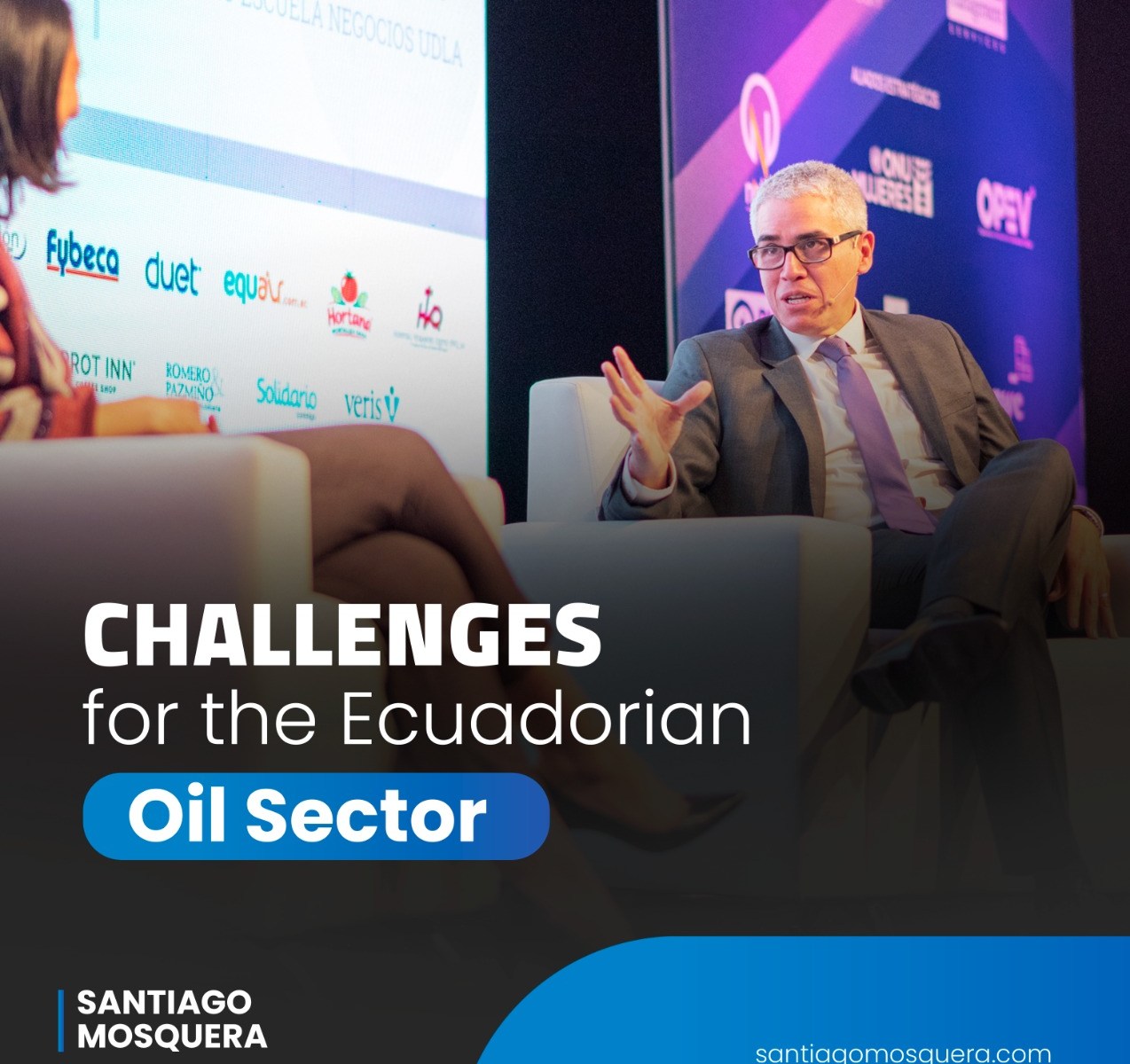
At the macroeconomic level, Ecuador was looking good before the June protests. The economy posted a solid economic recovery in 2021, the fiscal consolidation strategy was on track, and external accounts looked rock solid. In addition, the Lasso administration was negotiating free trade agreements and promoting the country as an investment destination, an easy agency not only for the strong economic performance but also thanks to a relative strengthening in policymaking when compared with neighboring countries. In order to succeed and bring Ecuador onto a higher development trajectory the role of the private sector will be fundamental. Investment flows lagged Lasso´s impetus as evidenced by total FDI arriving in Ecuador and by low growth rates in capital formation. Investment was expected to pick up in the second half of 2022, perhaps triggered by the sale of Banco del Pacífico, a private bank owned by the state. Then the protests erupted, and after 18 days of violence and chaos the government has little to show to the international community about Ecuador´s welcoming business environment. Even local business leaders are now likely to explore opportunities in other countries where the risk-reward equation is more attractive. Economic conditions are now different, and local and foreign analysts covering Ecuador have trimmed growth estimates. Conditions in the oil industry are unlikely to improve, despite high oil prices, as operators will now be more careful about security issues in oil fields, particularly in production areas located in the rainforest.
Descubre más desde Santiago Mosquera
Suscríbete y recibe las últimas entradas en tu correo electrónico.
